
Articles
Enforce the Rules Without Losing the Community: A Guide to HOA Conflict Resolution

Picture this: a homeowner parks their RV in the driveway like it’s a permanent fixture. Someone’s dog decides the neighbor’s flower beds are a personal playground. And then there’s that one resident who shows up to every single HOA meeting to bring up the same argument they lost two months ago.
You’re somewhere between “the governing documents are clear” and “I really don’t want to make enemies of my neighbors,” and honestly? That line gets blurry fast.
Here’s what separates the HOA boards that actually handle conflict well from the ones that don’t: it’s not about having the toughest rules on the block. It’s about having a consistent, fair process and the backbone to follow it every single time, no matter who’s involved.
This guide covers the whole picture. We’re talking about how to write violation notices that actually hold up, how to step into neighbor disputes without becoming the community referee, how to handle the homeowner who turns every meeting into a hostage situation, and how to know when it’s time to pursue HOA dispute resolution instead of heading straight to legal action.
The Real Cost of Getting This Wrong
Let’s be honest about both failure modes here, because HOA boards tend to fall into one of two traps.
Trap #1: Avoiding enforcement to “keep the peace.”
It feels kind in the moment. But what you’re actually doing is creating a ticking clock. Selective enforcement claims start piling up. Your authority over the HOA’s governing documents quietly erodes. And before long, residents notice that the rules seem to apply to some people and not others. That’s not peace, that’s a slow burn that can quickly lead to bigger problems down the road.
Trap #2: Enforcing too harshly, too rigidly, without any human judgment.
This one has its own consequences: residents who feel steamrolled start filing grievances. Your legal exposure grows. And your board develops a reputation for punishing, the kind of reputation that follows a homeowners’ association for years.
The goal was never maximum enforcement. It was fair, consistent enforcement, the kind that residents can trust and respect, even when they’re the ones getting the notice.
That’s the balance this article is built around. Unresolved conflicts within an HOA can negatively influence community well-being, causing stress and damaged relationships that take years to repair. The stakes are real, which is why getting your conflict resolution process right matters so much.
Lay the Groundwork Before Conflicts Arise
The single most powerful dispute resolution tool your board has? A well-run community before things go sideways. HOA boards that invest in prevention spend far less time putting out fires later. That comes down to three things:
Keep your governing documents clear and accessible. Residents can’t follow a rule they’ve never seen. Your CC&Rs, Rules & Regulations, and architectural guidelines should be current, written in plain language, and genuinely easy to find, not buried in a filing cabinet or accessible only by calling the management office during business hours. HOA disputes are governed by a combination of state laws, the HOA’s governing documents, and sometimes local ordinances, so keeping these documents current and accessible isn’t just good practice; it’s essential.
AAM makes HOA documents readily available through the All Access Portal and App. Your CC&Rs, Rules and Regulations, architectural guidelines, and other governing documents are stored securely in the portal and accessible anytime, so homeowners can quickly review current rules without searching filing cabinets or calling the management office.
Put your enforcement policy in writing. A surprising number of HOA communities have governing documents but zero written enforcement procedures. When residents don’t know what happens after a violation is reported, their imaginations fill in the blanks, usually with something worse than reality. A published, board-approved enforcement policy removes the mystery and makes clear that the same process applies to everyone. Creating and implementing written standards and procedures helps establish clear resident expectations and goes a long way toward resolving conflicts before they fully develop.
Communicate proactively, not just reactively. Clear communication channels encourage openness and eliminate misunderstandings in HOA communities. Regular newsletters, seasonal reminders about common violations, and open board meetings do more to minimize conflicts than any enforcement action ever could. Effective communication from HOA boards about rule changes, financial matters, and board decisions is essential, not just for conflict resolution, but for building the kind of trust that makes everything else easier. Open communication channels keep the lines of dialogue flowing and signal to residents that the board is approachable and transparent.
Build community on purpose. Organizing community-building activities helps homeowners form healthy relationships and reduces the likelihood that minor disagreements escalate into full-blown disputes. Community engagement through social activities and regular meetings can encourage relationships and transparency between the association and its residents. HOA boards that invest in harmony before conflicts arise are the ones that spend less time managing them afterward.
And let’s be clear: this is work your management company should be handling, not your board president on a Saturday afternoon with a cup of cold coffee. If that scenario sounds familiar, it may be time to talk to AAM.
How to Write a Violation Notice That Actually Holds Up
Due process in HOA enforcement isn’t legal fine print. It’s what separates an enforceable violation from a grievance waiting to happen. When a homeowner challenges a fine, the board’s entire defense rests on whether the process was followed correctly from day one. Documentation of complaints, violations, and communications protects the association if disputes escalate, and written communication, including emails and letters, is crucial for creating a paper trail that holds up under scrutiny.
A violation notice that can stand up to scrutiny needs to include:
- A specific description of the violation — not vague language like “landscaping issues,” but something precise: i.e., “Unmaintained lawn exceeding 6 inches per Section 4.3 of the Rules & Regulations.”
- The exact governing document reference — cite the section, not just the general concept
- The date the violation was observed
- A clear cure period — how long the homeowner has to fix the problem before further action (usually 10–30 days, depending on your CC&Rs and state laws)
- Instructions for submitting an appeal — every homeowner deserves the right to contest a violation.
First-time vs. repeat violations matter too. The first notice is educational; treat it that way. A second notice for the same issue signals a pattern, and your enforcement policy should reflect that distinction. Same process, higher stakes. Escalating fines under a clearly published schedule are both reasonable and legally defensible.
One distinction worth building into your process from the start: separating rule violations (which require board action) from personal disputes between neighbors (which often don’t). That one distinction shapes everything that comes after it and helps the board focus its energy where it actually has standing to act.
Common HOA Disputes: Know What You’re Dealing With
Before your board can resolve a dispute, it helps to understand what kind of dispute you’re actually dealing with. HOA disputes don’t all look the same, and the right approach depends heavily on the nature of the conflict.
Disputes can arise over a wide range of issues, including architectural changes, maintenance responsibilities, rule enforcement, and financial concerns. Some of the most common HOA disputes involve:
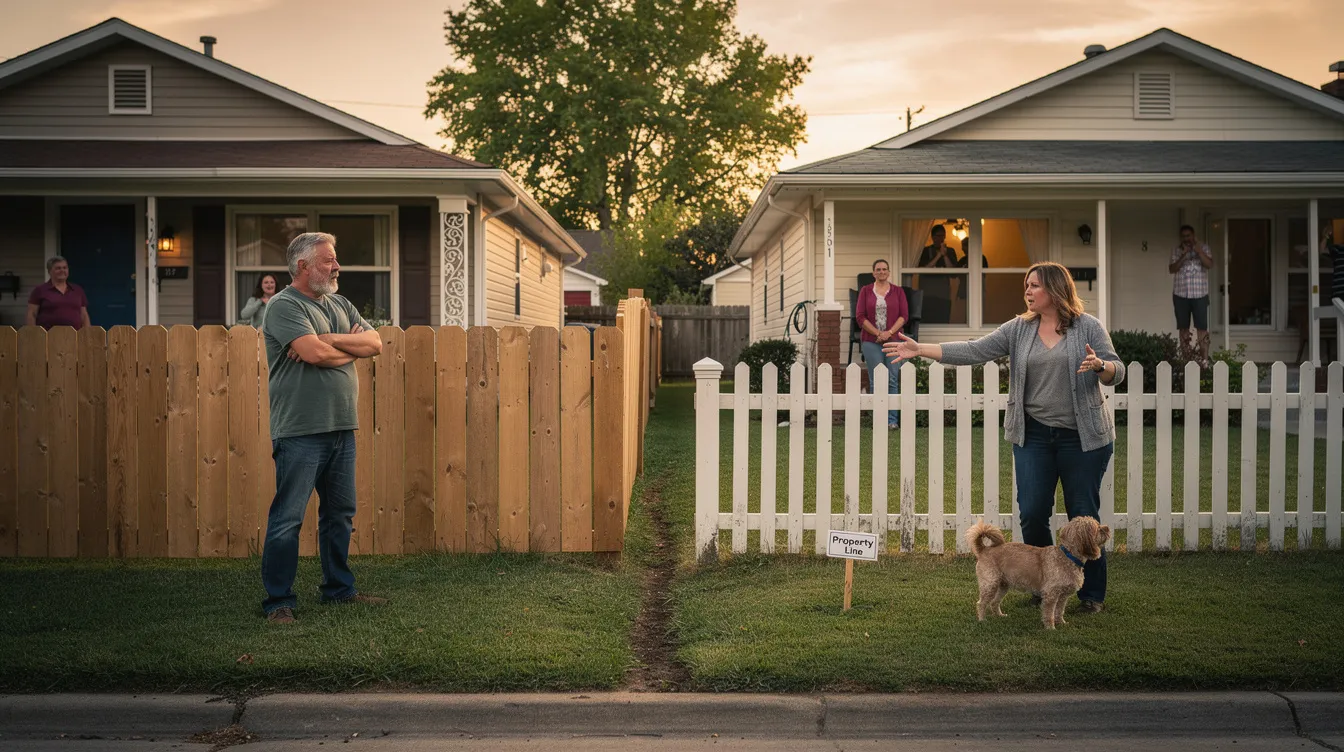
- Boundary issues -disputes over property borders, encroaching tree limbs, or fencing placement
- Noise complaints – particularly challenging in close living quarters like condominiums, where sound carries and tempers flare
- Amenity uses- conflicts that arise when homeowners misuse shared facilities, leading to property damage and broader community tension
- Financial disagreements – disputes over budget distribution, fee increases, late fees, and special assessments that can divide a community if not handled transparently
- Rule enforcement disagreements– situations where homeowners feel board decisions were applied unfairly or inconsistently
Financial matters deserve particular attention. Disputes over special assessments, late fees, and budget decisions can quickly lead to deep divisions if the board isn’t communicating clearly and applying the HOA’s documents consistently. Effective communication from the board about financial matters isn’t optional; it’s one of the most important things the association can do to maintain trust.
Maintaining a detailed log of incidents helps identify recurring patterns and allows HOA boards to address systemic issues before they compound into larger disputes.
Neighbor-to-Neighbor Disputes: Figure Out Your Role First
Not every conflict between neighbors is an HOA matter. And knowing the difference is one of the most important things a board can do, both to protect itself and to actually help residents find the right resolution.
The HOA has a standing to get involved when:
- The conflict involves an actual violation of the governing documents, noise, property maintenance, parking, and pets
- The behavior creates a nuisance that affects other residents beyond one household
- The issue involves common area use or improper use of shared facilities
The HOA should generally stay out when:
- The dispute is purely personal, a fence conversation that went sideways, a years-long grudge between two neighbors
- Neither party has violated any governing document
- It’s a civil matter between homeowners that has nothing to do with community property or shared rules
When residents come to you expecting the board to solve their personal conflicts, don’t just send them away empty-handed. Explain what the HOA’s role actually is, tell them what you can act on, and point them toward civil dispute resolution options if the board isn’t the right venue for the disagreement at hand.
When the HOA does step in, use the same framework you’d use for any enforcement situation:
- Get the report in writing
- Investigate, and genuinely hear both sides
- Determine whether a governing document violation occurred
- If it does, issue a notice referring to the specific rule
- Give both parties involved the opportunity to speak
Don’t pick sides. Don’t make verbal promises before you’ve reviewed the facts. Finding common ground between disputing parties can facilitate the resolution process. Active listening is a valuable skill here, promoting trust and effective communication among community members. Document everything, not because you’re building a legal case, but because records protect the board if things escalate later.
Dealing With Difficult Homeowners Without Losing the Room
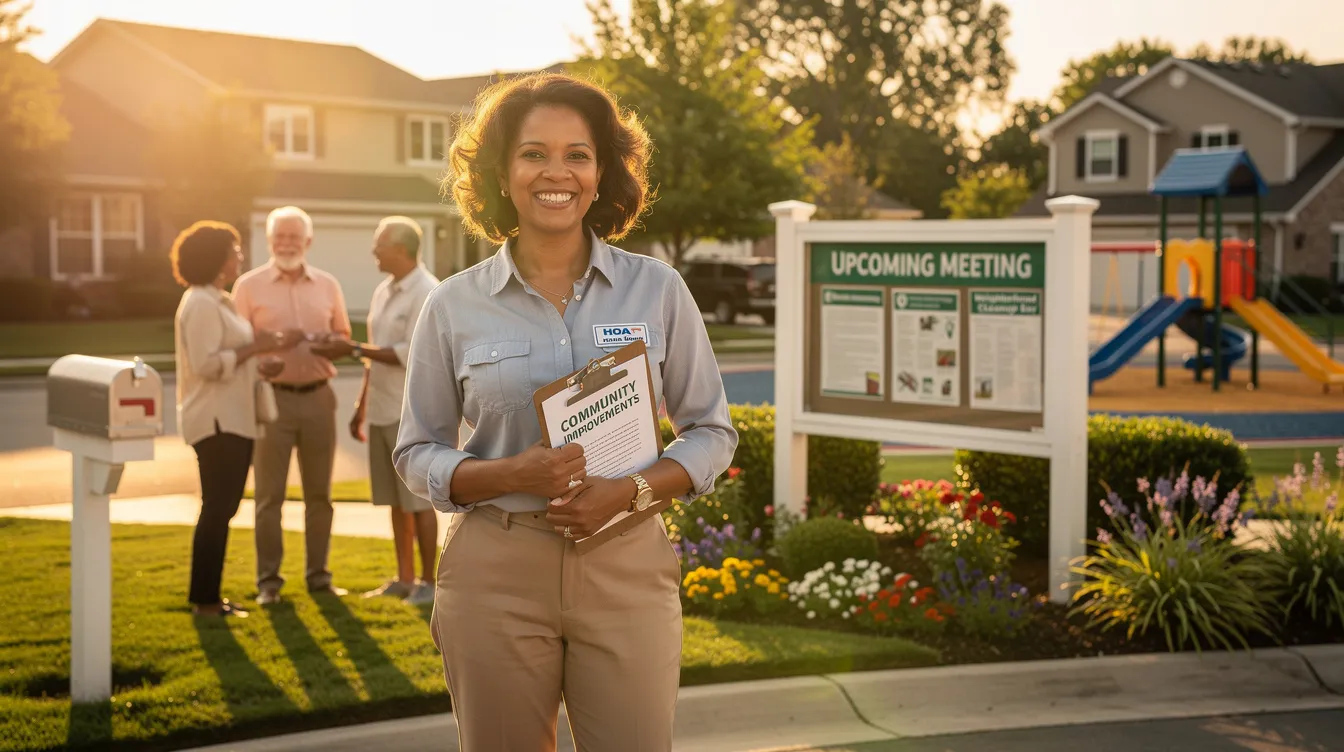
Every board has one. The person who dominates the open forum at every single meeting. The one who sends weekly emails about things that were addressed months ago. The one who walks in with a three-ring binder, a prepared speech, and the energy of someone who has nothing else going on.
Managing this isn’t about silencing people or winning an argument. It’s about keeping a productive environment for everyone in the community while still making sure every resident gets a fair voice. HOA boards are responsible for enforcing rules consistently to avoid accusations of favoritism or discrimination, and that same consistency applies to how the board manages meeting conduct.
At board meetings:
- Enforce time limits for open forums consistently, not just when it’s convenient. If the policy says three minutes per speaker, it means three minutes for every speaker, including your most enthusiastic critic.
- Never debate with a homeowner during the meeting. Acknowledge their concern, make sure it’s noted in the minutes, and commit to a follow-up response. Then actually follow up.
- If a homeowner repeatedly disrupts HOA meetings, document it. Your HOAs documents or state laws likely give the board grounds to address that behavior, and possibly an obligation to do so.
Outside of meetings:
- Route all homeowner communications through your management company, not individual board members. This protects board members personally and keeps responses consistent.
- Respond in writing to every substantive concern, even when the answer is no. A written response creates a record and signals that the board isn’t just brushing people off.
- If a homeowner’s behavior crosses into harassment or starts to feel threatening toward board members personally, consult legal counsel immediately. This is not a situation to manage on your own.
Remember: the goal isn’t to “beat” a difficult homeowner. It’s to show that homeowners and every other resident watching that the board operates the same way for everyone, every time. That consistency is what builds the kind of trust that makes resolving conflicts easier down the road.
After the Conflict: Don’t Just Move On, Move Forward
After a high-profile dispute, a contested fine, a neighbor feud that spilled into meetings, and a legal threat that eventually got resolved, the community still has to live together. How the board handles the aftermath matters just as much as how it handled the conflict itself.
Acknowledge the process, not the outcome. You don’t need to announce who won or lost. But a brief, neutral communication to the community confirming that the matter was resolved through the board’s standard dispute resolution process reinforces that the system works and that it applies equally to everyone.
Look for what the conflict revealed. Did it expose a gap in your governing documents? A rule that’s unclear or outdated? A communication breakdown that let a small issue grow into a major dispute? Use it. Every conflict is feedback, and the HOA boards that treat it that way consistently get better over time. Maintaining thorough records of all communications and attempted resolutions isn’t just good practice during a dispute; it’s how boards identify patterns and improve their processes afterward.
Build bridges where you can. If a dispute damages a relationship between neighbors or between a homeowner and the board, a little goodwill goes a long way. That doesn’t mean reversing a decision or apologizing for enforcing the rules. It means being human about it. Organizing activities that bring the community together after a difficult period helps HOA members rebuild trust and move forward as a cohesive community.
The Bottom Line About HOA Conflict Resolution
Conflict is inevitable in any community. People have different expectations, different interpretations of community standards, and different ideas about what a good neighborhood looks like. That’s not a flaw in the system, it’s just human nature.
What isn’t inevitable is those conflicts spiraling into drawn-out disputes, legal battles, or a community where neighbors stop trusting each other. That outcome is almost always the result of a board that either avoided the hard conversations for too long or handled them in a way that felt unfair and inconsistent.
The HOA boards that get it right aren’t perfect. They make judgment calls that don’t always land. They deal with homeowners who will never be satisfied, no matter what. They enforce rules that aren’t always popular. But they approach every dispute with a cooperative approach, the same clear process, documented steps, and genuine respect for every resident’s right to be heard.
That consistency is what builds trust. And trust, more than any rule or enforcement mechanism, is what keeps a homeowners association functioning as a true community rather than just a collection of houses under shared management.
A board that keeps both the rules and the relationships in mind at the same time isn’t just doing its job, it’s doing it the right way. And the residents living in that community, even the difficult ones, are better off for it.